The Iran-Israel War: Bombs, Bills, and a World Holding Its Breath
The Iran-Israel War: As I write this, air raid sirens in Tel Aviv echo through deserted streets while families in Tehran huddle in underground parking garages. What began as targeted strikes has erupted into a sustained air war with no endgame in sight. For over a week now, the Middle East has held its breath as two regional powers trade missile fire across 1,000 miles—a conflict that’s reshaping geopolitics, draining economies, and threatening global stability. Here’s where things stand in this dangerous new chapter.
⚔️ The Battlefield: Escalation Without Victory
The conflict has evolved into a deadly rhythm: Israeli jets strike deep into Iranian territory at night; Iran responds with missile barrages by day.
- Israel’s Expanding Targets: Initial strikes focused on nuclear facilities like Natanz and Arak, but have since expanded to “symbols of regime power”—missile factories, internal security headquarters, and even a research center linked to Iran’s nuclear program in Lavizan. Strikes have now reached the Caspian Sea coast, signaling Israel’s reach into Iran’s northern heartland .
- Iran’s Relentless Retaliation: Over 400 missiles have rained down on Israel in recent days. One struck near a Microsoft office in Beersheba, igniting fires in the street. Another damaged Soroka Medical Center—a hospital already scarred by earlier attacks. On June 20, a missile slammed into Haifa’s port area, severely wounding two people .
- The Nuclear Stalemate: Israel’s primary goal remains crippling Iran’s nuclear capabilities. But experts confirm a brutal truth: Israel lacks the bunker-busting munitions needed to destroy Fordo, Iran’s uranium enrichment site buried deep under mountains. This forces an agonizing choice—wait for U.S. assistance (politically fraught) or risk a symbolic but ineffective solo strike .
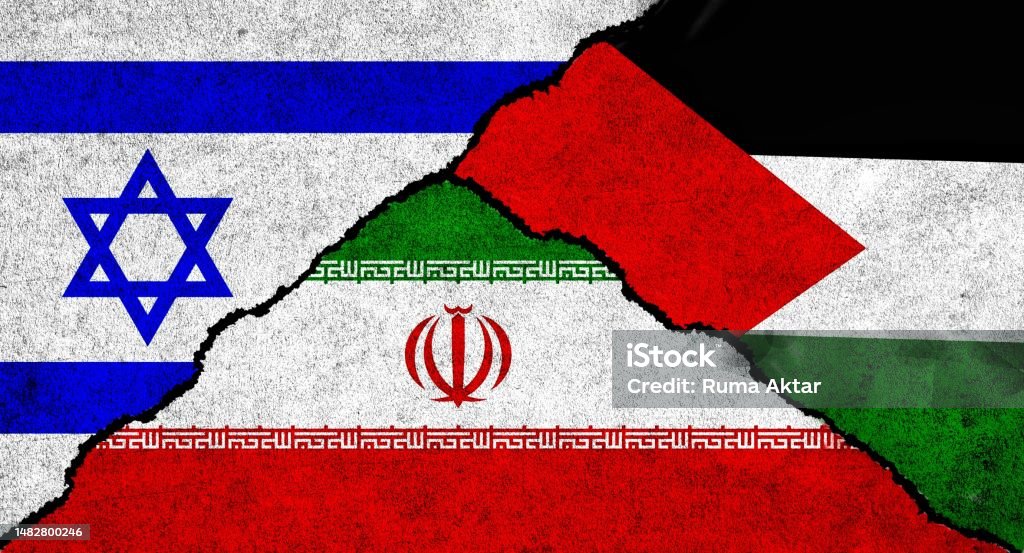
Human Toll: Behind the headlines are shattered lives. At least 639 people have died in Iran—a mix of civilians, soldiers, and nuclear scientists. In Israel, 24 civilians are confirmed dead. In Beersheba basements, parents comfort children as explosions rattle the walls; in Tehran, shopkeepers sweep glass from bombed-out stores .
💸 Israel’s Economic Bleeding: A Nation Under Siege
Imagine your economy hemorrhaging $725 million daily. That’s Israel’s reality—a cost that could bankrupt the nation within months .
- Missile Defense Drain: Each Arrow-3 interceptor costs $4 million. When Iran launched 400+ missiles in one barrage, Israel’s defense systems buckled under the strain. The bill for interception alone? $593 million in two days .
- Offensive Ops: An F-35 sortie to Iran burns $10,000/hour—before adding refueling jets and precision munitions. Long-range strikes require complex aerial refueling chains stretching over hostile airspace .
- Reconstruction Nightmare: Early estimates top $400 million for damaged infrastructure. Haifa’s oil refinery sits idle after attacks; the Tamar gas field halted operations, slashing exports .
Sectoral Carnage:
- Tech Sector Strain (20% of GDP): Workers juggle code and bomb shelters. While remote work helps, 390,000 employees face constant disruption. Stagnant growth and fears of brain drain loom as taxes rise .
- Labor Collapse: With 300,000+ reservists called up and Palestinian work permits canceled, farms and construction sites face critical shortages. Unemployment could spike from a pre-war low of 3% .
- Energy Chokepoints: Attacks on refineries and gas fields have spiked domestic fuel prices. Oil imports now cost 18% more than pre-war .
Paradoxically, markets reacted positively initially—Tel Aviv stocks rose 4-5%, and the shekel strengthened. Why? Investors gambled Israel might cripple Iran’s nuclear threat. But as costs mount, optimism fades .
🌍 Global Ripple Effects: Why This Threatens Your Wallet
This isn’t just a regional fight. The economic shockwaves could hit your kitchen table:
- Oil’s Precarious Dance
Brent crude spiked 7% when missiles flew. Prices hover near $78.85/barrel, but JP Morgan warns: if Iran blocks the Strait of Hormuz (where 21 million barrels flow daily), prices could rocket to $130. Diesel prices jumped fastest—threatening shipping costs and inflation worldwide .
Behind the scenes: Saudi Arabia and UAE are racing to load oil tankers, boosting exports by 10-16% as a hedge against disruption. Insurance for Persian Gulf shipments has soared 60% . - Inflation’s Ghost Returns
Central banks in the EU and UK may delay interest rate cuts if energy costs surge. The U.S. Fed already paused, citing “Mideast uncertainty.” Mortgages? Grocery bills? They’re hostage to this conflict . - Supply Chain Chaos
- Aviation: Emirates and Qatar Airways canceled flights across Iran, Iraq, and Jordan. Airspace closures stranded thousands .
- Shipping: GPS jamming intensifies in Persian Gulf; freight rates to China jumped 50%. Crews report “mental health crises” as risks mount .
🕊️ Diplomacy’s Flickering Hope
Amid the rubble, a narrow window for peace emerged on June 20:
- Geneva Talks: European ministers met Iran’s Foreign Minister Abbas Araghchi. Progress? Murky. Iran refuses direct U.S. talks, calling America “a partner in this crime,” but might accept EU mediation .
- U.S. Hesitation: Trump delayed bunker-buster strikes on Fordo, buying diplomacy two weeks. Israel chafes at the wait—its military clock ticks louder each day .
- Rhetoric vs. Reality: Israel’s Defense Minister vows to “destabilize Tehran’s regime.” Iran’s President promises “crushing responses.” Meanwhile, Australia evacuates its Tehran embassy; Japan relocates 90 citizens .
🔮 Two Paths Forward
We stand at a crossroads with global consequences:
- Path 1: Breakthrough
If Geneva yields a cease-fire, oil prices stabilize around $80-$90. Israel’s economy—resilient but strained—catches its breath. High-tech workers return to offices; global inflation cools . - Path 2: Protracted War
Missile defenses drain $12 billion/month from Israel. Iran’s sanctions-hardened economy buckles as oil exports crash to 102,000 bpd (half of pre-war levels). South Pars gas field—source of 80% of Iran’s gas—partially shuts. JP Morgan’s “stagflation” warning becomes reality: oil at $120-$130, supply chains paralyzed, recession looms .

💡 The Human Truth Beneath the Headlines
Behind the geopolitics are ordinary lives:
- Masa Li, 24, fled Tehran with colleagues after three days of bombing. Their 30-hour drive to Armenia involved car breakdowns and military checkpoints .
- An Israeli tech worker codes in a bomb shelter while her kids sleep fitfully nearby. Her company hasn’t missed a deadline—yet.
- European families watch gas prices rise, fearing winter heating bills.
“If it is a week, it is one thing. If it is two weeks or a month, it is a very different story.”
—Former Bank of Israel Governor Karnit Flug
We’re in that “different story” now. The next fortnight could decide whether 2025 becomes a year of recovery—or unraveling. For investors, policymakers, and families worldwide, the costs of silence are rising faster than any missile.
Sources: Al Jazeera | CNN | Reuters | NY Times | Economic Times